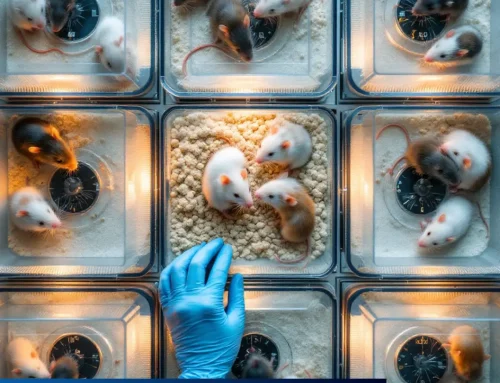
US Life Sciences Companies Leading the Way in Global Research.
Subject: Biotech
US Life Sciences Companies Leading the Way in Global Research
The United States has established itself as a global leader in life sciences, home to some of the world’s most innovative companies driving groundbreaking scientific discoveries and transformative medical advancements. These U.S.-based life science companies are at the forefront of global research, tackling humanity’s greatest health challenges and redefining the future of medicine.
In this article, we delve into the contributions of U.S. life sciences companies to global research, highlighting their scientific breakthroughs, role in medical advancements and the unique factors that make the U.S. a leader in this industry.
The Foundation of Success in U.S. Life Sciences
The U.S. life sciences sector is one of the most advanced and dynamic industries worldwide. Its success stems from a blend of robust infrastructure, significant investment in research and development (R&D), and a collaborative ecosystem that bridges academia, government and industry.
Key Factors Driving Leadership in Life Sciences:
- Unmatched R&D Investment: U.S. life science companies invest billions annually in R&D, enabling continuous innovation. In 2022-2023, the top 20 pharmaceutical companies spent $145 billion on R&D investments[1].
- Academic and Research Excellence: World-renowned institutions such as the National Institutes of Health (NIH) and leading universities fuel discoveries that form the backbone of life science innovation.
- Public-Private Partnerships: Collaboration between government agencies, academic institutions and private companies accelerates the translation of research into real-world applications.
- Regulatory Framework: The U.S. Food and Drug Administration (FDA) ensures that new therapies and technologies meet high standards for safety and efficacy.
- Talent Pool: The U.S. attracts top global talent, ensuring a workforce capable of tackling the most complex challenges in science and medicine.
Life Science Companies Leading the Way
Several U.S. life sciences companies are making remarkable contributions to global research and setting new benchmarks in medical advancements.
1. Johnson & Johnson
As one of the largest life sciences companies in the world, Johnson & Johnson is a leader in pharmaceuticals, medical devices and consumer health products. Its contributions to vaccine development and oncology research have had a profound global impact.
2. Pfizer
Pfizer is renowned for its breakthroughs in immunology, oncology and rare diseases. Its role in developing the first mRNA COVID-19 vaccine in partnership with BioNTech highlighted the company’s ability to deliver rapid solutions to global health crises.
3. Thermo Fisher Scientific
This leading provider of life sciences tools and technologies supports research across genomics, proteomics and cell biology. Thermo Fisher’s innovations empower scientists worldwide to drive discoveries and advance precision medicine.
4. Amgen
Amgen is a pioneer in biologics, specialising in therapies for cancer, cardiovascular disease and inflammation. Its groundbreaking biologic treatments have changed the standard of care for millions of patients.
5. Gilead Sciences
Known for its advancements in antiviral therapies, Gilead has transformed the treatment landscape for HIV, hepatitis C and other infectious diseases, delivering therapies that improve both longevity and quality of life.
6. Illumina
Illumina’s genomic sequencing technologies are revolutionising how researchers and clinicians understand human biology. Its tools are central to global research in cancer, rare diseases and personalised medicine.
Scientific Breakthroughs Driving Global Research
1. The Rise of mRNA Technology
The success of mRNA vaccines during the COVID-19 pandemic, led by companies like Pfizer, has unlocked new possibilities in treating infectious diseases, cancers and rare genetic disorders.
2. Advancements in Genomics
U.S. life sciences companies, particularly Illumina, are advancing genomic sequencing technologies that enable precision medicine. These breakthroughs allow researchers to develop targeted therapies based on a patient’s genetic profile.
3. Revolutionising Oncology Care
Immunotherapy and cell-based therapies, pioneered by companies like Bristol-Myers Squibb and Amgen, have transformed cancer treatment. Innovations like CAR-T therapy are giving hope to patients with previously untreatable cancers.
4. Tackling Neurodegenerative Diseases
Biogen and Eli Lilly are at the forefront of research into Alzheimer’s and Parkinson’s disease. Their groundbreaking work is paving the way for new treatments for some of the most challenging conditions in medicine.
5. Artificial Intelligence in Life Sciences
Companies like Tempus and Recursion Pharmaceuticals are integrating AI into research, accelerating drug discovery and enhancing the understanding of disease mechanisms.
Impact on Global Health
The contributions of U.S. life science companies extend far beyond the nation’s borders. These organisations play a crucial role in improving health outcomes and addressing global health disparities.
Global Collaboration
U.S. companies partner with international organisations, governments and research institutions to tackle global health challenges, such as infectious disease outbreaks and access to innovative therapies.
Clinical Trials and Data Sharing
The U.S. is a global hub for clinical trials, with its companies often leading multi-country studies that generate invaluable data for advancing science and improving patient care worldwide.
Improving Access to Medicines
Through partnerships and innovative pricing models, U.S. life science companies are working to ensure that life-saving therapies are accessible to patients in underserved regions.
Economic and Industry Growth
The economic impact of the U.S. life sciences sector is significant. The industry generates millions of jobs and contributes hundreds of billions to GDP annually. Furthermore, it attracts substantial foreign investment, strengthening the U.S.’s position as a global leader in innovation.
Key Growth Trends:
- Expansion in precision medicine and personalised therapies.
- Increased focus on biologics and biosimilars.
- Rising demand for sustainable and eco-friendly solutions in life sciences.
Challenges and Future Opportunities
Challenges:
- High R&D Costs: Developing therapies is expensive, with many projects failing to reach the market.
- Regulatory Complexity: Navigating the regulatory landscape can delay innovation.
- Global Access: Ensuring affordability and equitable distribution remains a challenge.
Opportunities:
- Expanding into emerging markets to address unmet medical needs.
- Leveraging AI and data analytics to accelerate drug discovery.
- Collaborating on global initiatives to address climate change and its impact on health.
Conclusion
U.S. life science companies are at the heart of global research, driving innovation that transforms healthcare and saves lives. From groundbreaking genomic technologies to life-saving therapies for chronic and rare diseases, their contributions are shaping the future of medicine.
As these companies continue to lead in scientific breakthroughs and medical advancements, they reinforce the U.S.’s position as a global powerhouse in life sciences. With a commitment to innovation, collaboration and addressing global health challenges, U.S. life science companies are not just advancing science—they are improving lives worldwide.
For those passionate about science, healthcare, or investing in transformative industries, the U.S. life sciences sector remains a beacon of opportunity and progress.
[1] Global pharma companies’ return on R&D investment increases after record low. Deloitte, 29 April 2024.